
Bali, also referred to as the island of Gods, is undoubtedly one of the most popular tourism destination in Indonesia.
I’ve been visiting this beautiful island since I was a young. I was born in Indonesia and I speak Bahasa Indonesia fluently. Thanks to this, I am able to understand certain Balinese cultures and nuances in a way that foreigners can’t. So, I want to bridge that cultural gap and impart all the knowledge I’ve accumulated about Bali! Keep on reading
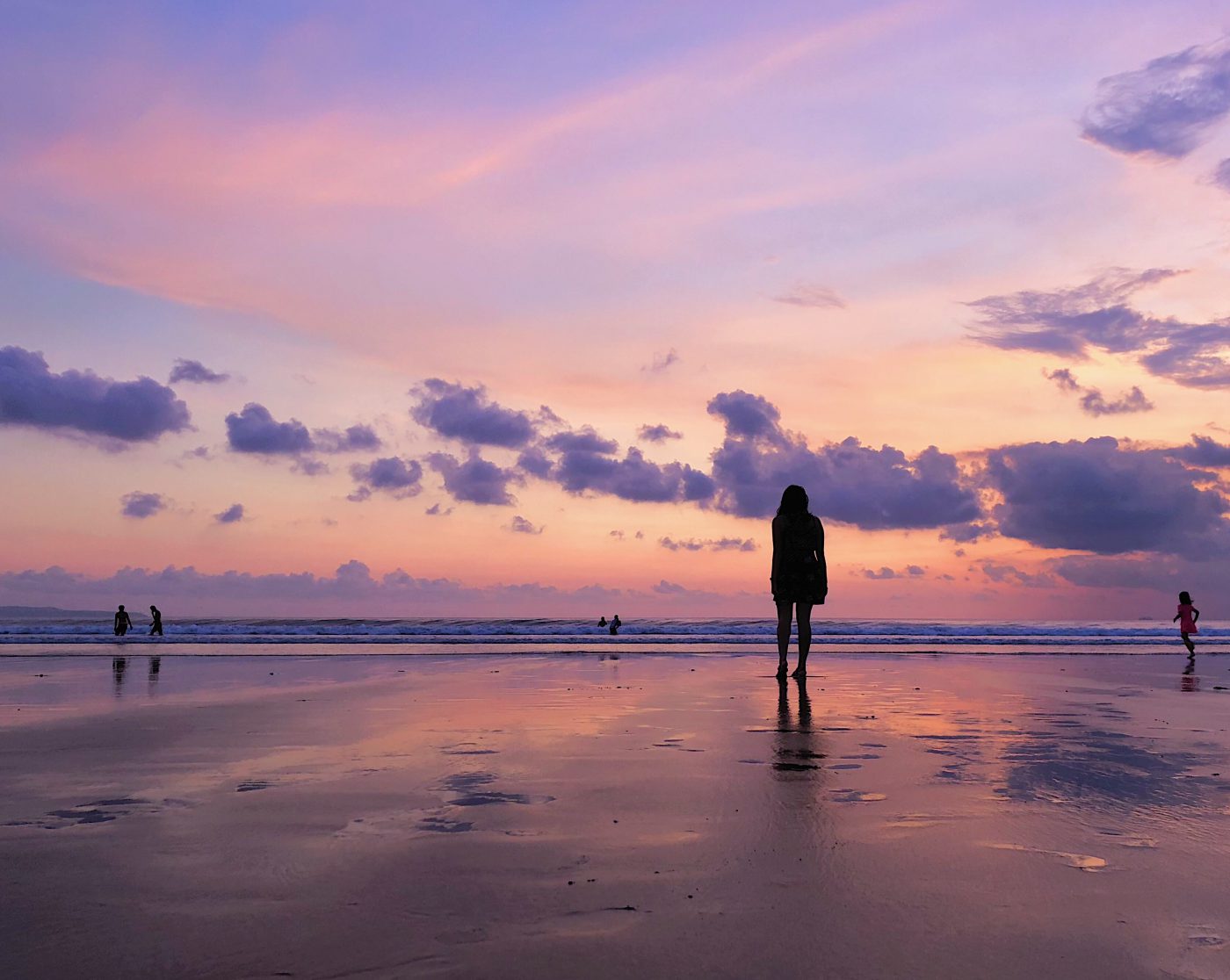
1. Overview of Bali
Bali needs no introduction – the island has become a dream destination for decades, starting with the tourism boom in the 1980s. Bali tourism has gone through some rough patches, with the rise of drug-related crimes and two terrorist bombings in the mid-2000s that claimed the lives of a staggering 202 victims, to the tourism revival that can be credited to Eat Pray Love in the 2010s. The book (and movie) has arguably led to what Bali is known for in the present day – wellness and spiritual healing, along with the beautiful beaches and nature.
With the rise of remote working (yes, even before the pandemic), Bali has become popular with digital nomads. These days it’s even very common to meet foreigners who are staying in Bali permanently.
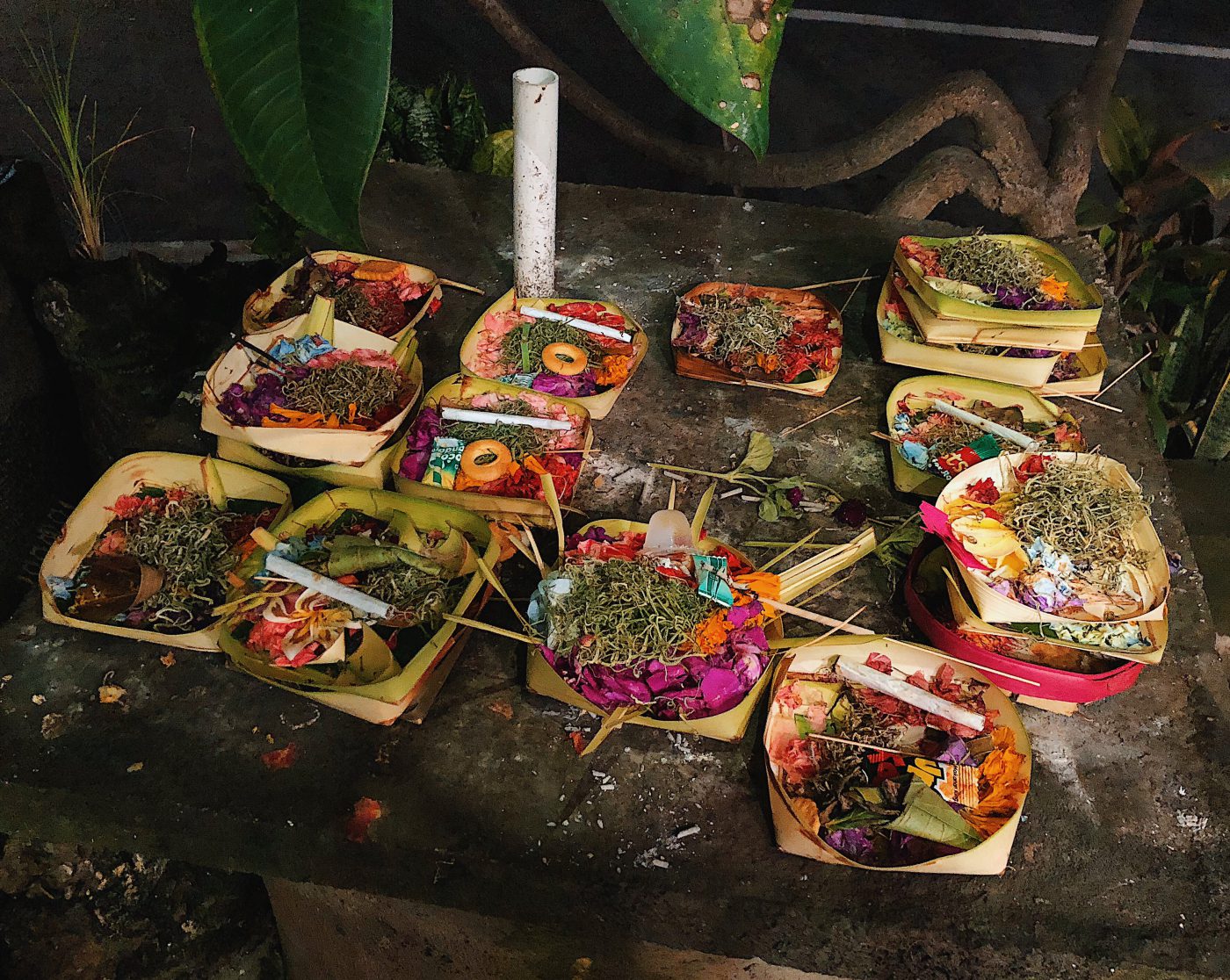
Bali is part of Indonesia, a predominantly Muslim country that does not eat pork. It is exactly why Bali stood out, with 83% of the island practicing Hinduism. One of their best-known local cuisines is actually a pork dish – Babi Guling, which is a spit-roasted pig often served in the form of Nasi Campur (mixed rice).
Although Balinese adheres to Hinduism, the religion found in Bali is different than the rest of the world. Balinese Hinduism is a combination of the core beliefs of Hinduism as we know that originated from India, mixed with Bali’s own traditional beliefs.
This is perhaps why Bali is popular with domestic and foreign tourists alike – it is truly unique and you can’t find a place like Bali anywhere else in the world.
When is the best time to visit Bali?
Bali is great to visit all year round. The monsoon season (mid-December to March) brings rain, but isn’t too severe – the rain comes only a few hours during the day. After the rain, it’s more pleasant to wander around since the temperature would have cooled down.
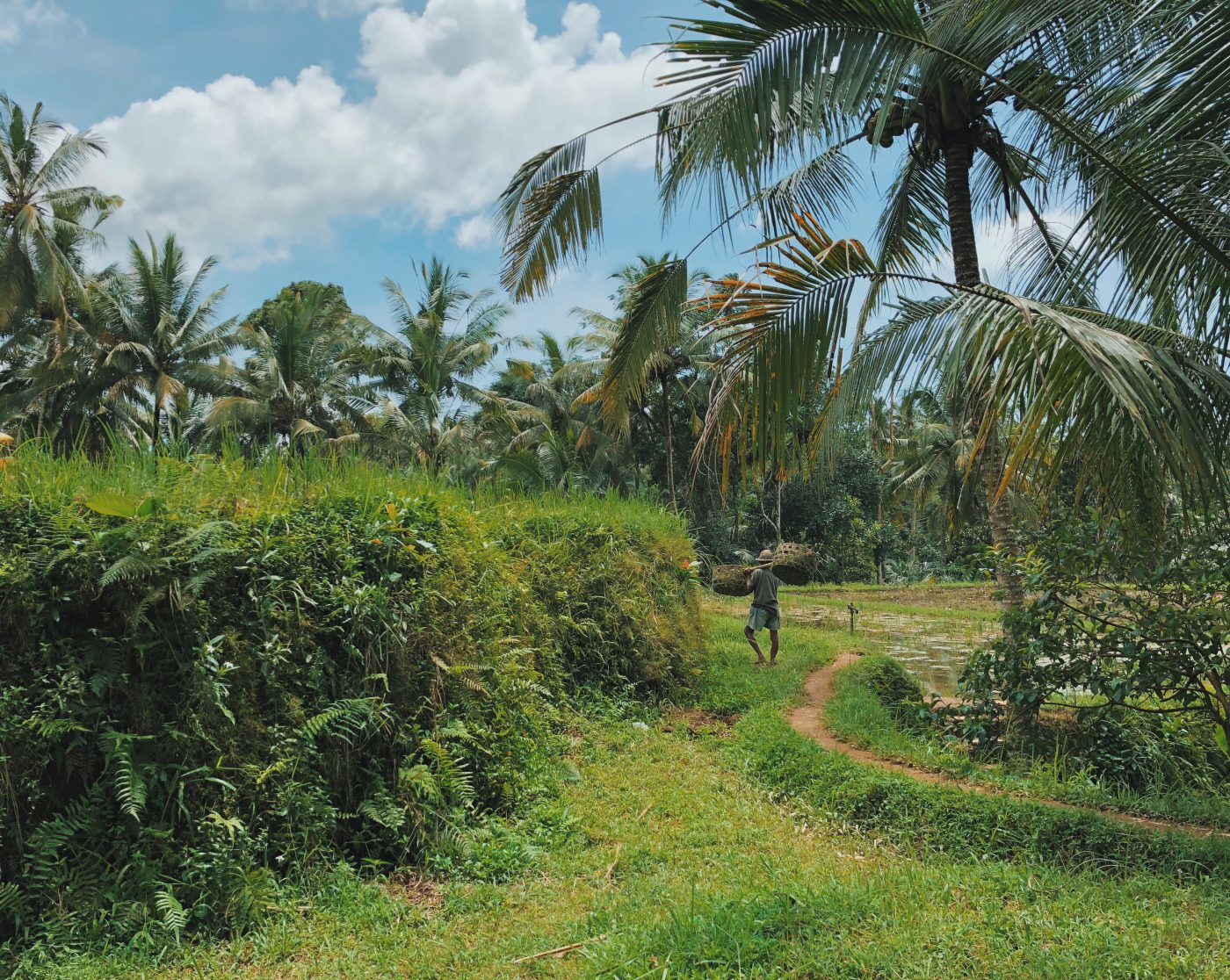
In the recent years, several volcano eruptions were observed at Mount Agung – the tallest volcano in Bali. This spurred some flight cancellations, although it didn’t lead to anything more serious since Mount Agung is far from residential and tourist areas.
There had also been major earthquakes in the neighbouring island of Lombok, but Bali itself did not sustain major damage.
Public Holidays and Important Dates in Bali
Bali celebrates a number of Hindu holidays. As a visitor, you don’t have to worry too much about these holidays affecting your plans… except for Nyepi, which I’ll talk about more shortly.
Nevertheless, it’s always good to know about these holidays as an insight into the Balinese culture. I think their strong connection to the Hindu religion is what makes Bali such a magical island.
Bali operates on two calendar systems called Pakuwon, which contains 210 days, and Saka, which is based on the phases of the moon. It’s very possible that some Balinese holidays are held twice a year on the global Gregorian calendar system.
Here are two of the most important holidays in Bali:
1. Nyepi – A Day of Silence
I highlighted this holiday first and foremost, because this one will definitely affect your travel plans as a visitor. Nyepi marks the new year according to the Saka calendar. Nyepi is a day of silence, fasting, and meditation for the Balinese. It stems from the word “sepi“, which in Indonesian means “deserted”.
The Balinese believe that by staying quiet and leaving the island looking deserted, the evil spirits will believe that the island has been abandoned and will not bother them for the rest of the year. Thus, everyone is required to stay indoors and stay quiet. For 24 hours from 6 AM until 6 AM of the following morning, everyone is forbidden to go out, entertain themselves or perform any duties on the island.
Tourists are also forbidden to be outside. They can do whatever you want inside your hotel room, but light and sounds must be minimized. If you are staying in a resort, typically you can still use the facilities, provided that you stay within the resort grounds. Please do check with the resort!
2. Galungan and Kuningan – Triumph over Evil
I was lucky to be experiencing Galungan and Kuningan firsthand during one of the many times I visited Bali. Galungan is a Balinese holiday celebrating the victory of dharma (good) over adharma (evil). While the holiday is unique to Bali, it is related to Diwali, a major Hindu holiday celebrated around the world.
Galungan marks the beginning of the most important recurring religious ceremonies. The spirits of deceased relatives who have died and have been cremated return to visit their former homes. The current inhabitants have a responsibility to be hospitable through prayers and offerings. The spirits return after ten days, in a celebration called Kuningan.
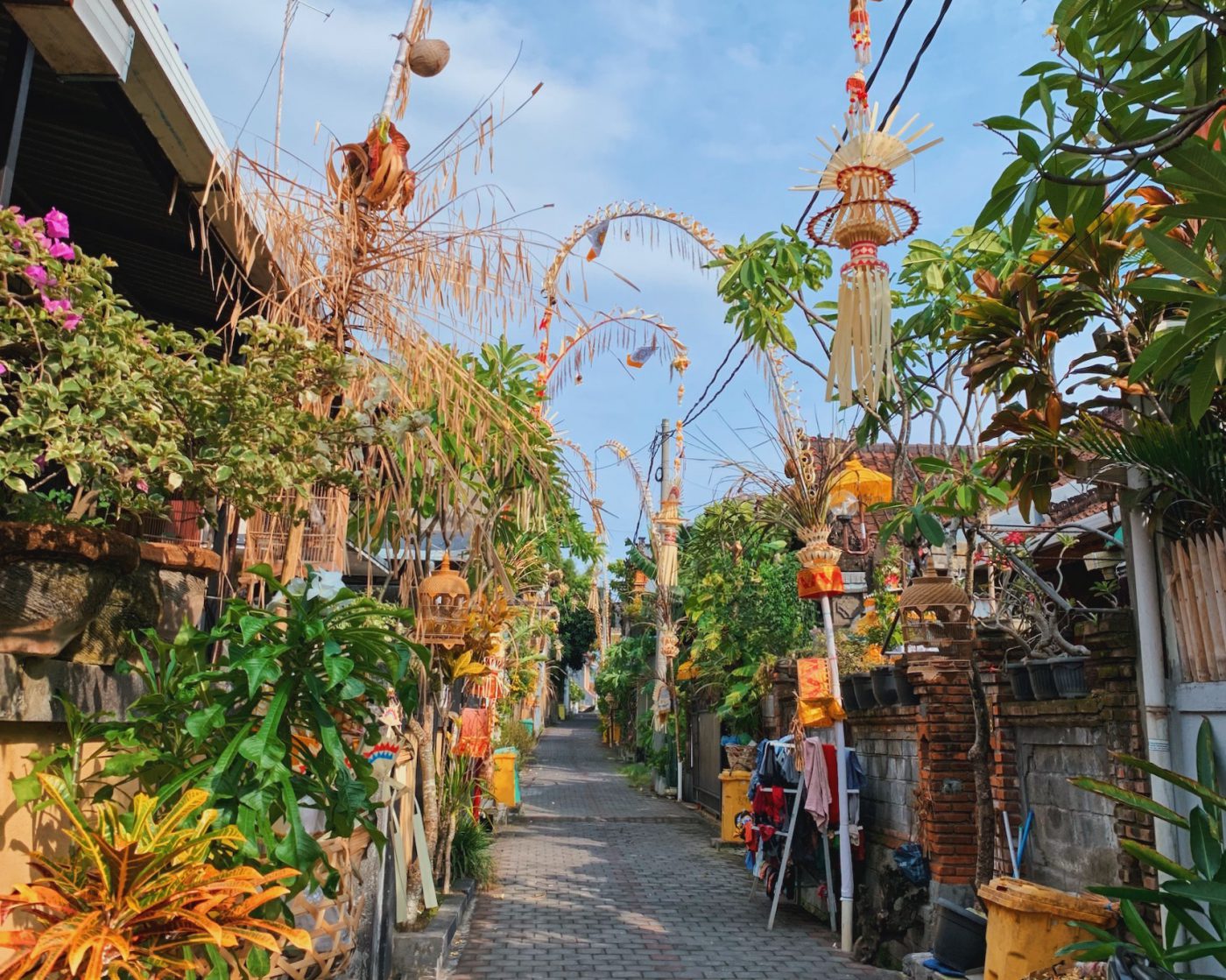
During Galungan, the island is made extra festive by the presence of “Penjor” – the beautiful and colorful bamboo poles decorated with dried coconut leaves with offerings suspended at the end. These are installed by the side of roads everywhere in Bali by each home and business.
2. The Best Places to Stay in Bali
The best places to stay in Bali for first-timers are Seminyak, Ubud, and Canggu. However, depending on your requirements, you might want to consider other areas as well.
One of the things I love about Bali is the diverse range of accommodations you can find on this island. From exclusive five-star resorts to affordable accommodations, Bali has it all. Here are a few of picks:
Option 1: Five-star Luxury Resorts
These resorts are the best of the best five-star accommodations in Bali, known for their outstanding hospitality and luxury. They are often the accommodation of choice for couples on honeymoon.
It does come at a price, but I find even then they’re still reasonable compared to other destinations.
- Ayana Resort in Jimbaran – Ayana is well known for the Rock Bar, a famous spot for sunset. It is also one of the biggest resorts in Bali -they have three accommodation options in their resort ground alone, at varying price points.
- Alila Villas in Uluwatu – Located in the south of Bali in Uluwatu, Alila Villas is one of the most exclusive accommodation you can find in Bali. It’s perfect for special occasions.
- Kamandalu Resort in Ubud – made famous on Instagram for their floating breakfast, where they serve your meal on a floating tray in the pool.
Option 2: Private Villas (with private pool!)
Aside from resorts, you won’t be short of options for private luxury villas whether you are traveling with a group of friends or as a couple.